

Rainwater Tanks Ireland The Essential Guide to Sustainable water storage

Rainwater Tanks Ireland guide covering sustainable water storage, rainwater harvesting systems, and Irish compliance requirements.

Ireland’s rainfall patterns, environmental policies, and water‑resilience strategies make rainwater harvesting increasingly valuable for homes, farms and commercial sites. Ireland receives consistently high annual rainfall  averaging over 1,000 mm per year providing a reliable basis for non‑potable rainwater collection.

Beyond environmental benefits, Irish government initiatives continue to highlight the importance of alternative water sources. For example, the Department of Housing, Local Government and Heritage announced a fourfold increase in funding for water‑quality measures for 2026, reflecting strong national support for on‑site water management, drainage improvements, and nature‑based solutions. 

Furthermore, Uisce Éireann’s National Water Resources Plan (NWRP) outlines a 25‑year strategy to secure water supply for Ireland, noting that drought events and supply interruptions demonstrate the need for diverse water sources, including rainwater harvesting as part of broader resilience efforts. 

Rainwater Tanks Ireland guide covering sustainable water storage, rainwater harvesting systems, and Irish compliance requirements.

1. Legality & Motivation for Rainwater Harvesting in Ireland

Rainwater harvesting is legal and actively encouraged in Ireland, with national standards in place for the safe design of non‑potable rainwater systems, as outlined by the National Standards Authority of Ireland (NSAI).

For homeowners and farms, this means there are no regulatory barriers to installing rainwater tanks, as long as proper design, filtration, storage, and overflow practices are followed.

2. Irish Policies, SuDS Requirements & National Guidance

Irish planners increasingly support rainwater harvesting as part of sustainable urban drainage. According to One Eight Filtration Dynamics’ report on Irish SuDS, rainwater recovery directly reduces surface runoff, helps prevent drainage overload during heavy rain, and can even reduce required attenuation tank sizes in multi‑unit developments. 

Complementing this, the Irish Government’s 2024 national strategy for nature‑based urban rainwater management instructs local authorities to integrate rainwater solutions into development plans and public realm design, highlighting rainwater capture as a recommended method for flood mitigation and water quality protection.

Together, these policies place rainwater tanks squarely within Ireland’s long‑term sustainable water‑management goals. 

3. Agricultural Requirements for Rainwater Systems

Agricultural systems have their own guidelines. In Ireland, only roof runoff is permitted for rainwater collection in agricultural settings, and tanks must meet specific standards:

  • Tanks must be insulated (if overground) and opaque to prevent warming and algal growth.
  • Tanks require solid covers, screened ventilation, and calmed inlets.
  • Capacity must be calculated using local rainfall, collection area, and water demand, typically storing 7–18 days of rainfall.
  • Where mains backup exists, backflow protection is mandatory.

These criteria form credible, nationally aligned agricultural standards and support the safe design of non‑potable water storage tanks.

4. How Rainwater Harvesting Systems Work

A full Irish‑compliant system includes: 

1. Collection

Water is gathered from approved roof surfaces. (Agricultural guidance reiterates roofs only—not yards.)

2. Filtration

Self‑cleaning filters remove leaves, moss and debris before storage to protect water quality and pumps. This is a requirement in agricultural specifications. 

3. Storage (Above‑Ground)

Storage capacity should always reflect the intended usage, with options ranging from compact domestic tanks to larger GRP one‑piece units suitable for commercial or agricultural non‑potable applications. Tricel’s GRP water storage tanks are designed for durability and long‑term performance, offering scalable capacity options for a wide range of Irish site requirements

4. Distribution

Modern rainwater systems typically use either direct‑feed pumps or gravity‑based distribution to supply non‑potable water to toilets, washing machines, outdoor taps, and similar applications. Control units are often included to regulate flow and ensure mains water is only used when rainwater reserves are insufficient.

5. Overflow

Agricultural rules specify that overflow must be sent to a clean water drainage system to avoid contamination or overloading onsite soakaways.

5. Types of Rainwater Tanks in Ireland

Underground Tanks

Underground rainwater tanks are used in some Irish installations where homeowners want to save outdoor space or maintain visual aesthetics. These tanks are typically installed below ground level, which helps maintain cooler temperatures and can minimise algae growth, supporting better water quality in non‑potable systems.

However, underground rainwater tanks are less commonly used in Ireland for general water‑storage purposes, as they typically require more complex installation, excavation, and site preparation. Most Irish sites instead opt for above‑ground or surface‑level GRP water storage options, which offer easier installation and maintenance.

Aboveground Tanks

Above‑ground tanks are commonly used in agriculture and general water‑management settings due to their straightforward installation and flexible capacity options. They are well‑suited for livestock watering, equipment washing, non‑potable storage, and sites that require easily accessible tank maintenance.

Tricel manufactures durable above‑ground GRP one‑piece water storage tanks suitable for domestic, commercial, and agricultural non‑potable applications. These tanks provide a strong, long‑lasting solution for sites seeking dependable water storage in Irish conditions.

Commercial & Industrial Tanks

Tricel Water’s Irish product range provides durable storage across commercial, industrial, and municipal applications, built specifically for Irish climate and compliance environments.

These include one‑piece and sectional GRP tanks designed for fire protection, process water, cold‑water storage and non‑potable recovery, making them compatible with rainwater integration for larger buildings and managed sites.

6. Sizing the Right Rainwater Tank

 Sizing depends on:

  • Mean annual rainfall (Ireland averages around 1,225 mm per year).
  • Collection area (roof size and material).
  • Water demand (domestic, commercial, agricultural).
  • Storage guidelines commonly used in agricultural planning, typically allowing for 7–18 days of rainfall storage.

Agricultural users often benefit significantly from larger tanks due to high daily usage, making appropriate water‑storage tank capacity essential for consistent non‑potable supply.

7. Cost Savings & ROI

 Rainwater systems can significantly reduce mains‑water usage for toilets, laundry, outdoor taps, and general farm operations by supplying non‑potable water from stored rainfall.

In development settings, integrating rainwater harvesting also helps reduce overall site‑runoff volumes, a factor that One Eight Filtration Dynamics’ SuDS guidance identifies as lowering attenuation requirements and supporting planning compliance.

8. TricelWater — Ireland‑Ready Rainwater Tanks

Tricel Water supplies Irish‑engineered water storage tanks built for durability and compliance with national expectations for water resilience and sustainable resource use. Their tanks support domestic, agricultural, commercial and industrial installations, aligning with the rainfall patterns and regulatory environment of Ireland through a range of GRP water storage tanks designed for dependable, long‑term performance

faq's

Yes. Rainwater harvesting is legal and commonly used in Ireland for non‑potable applications such as toilet flushing, laundry, irrigation, and farm operations. There are no prohibitions on rainwater collection when systems are designed to avoid contamination and follow standard safety practices. 

Irish guidance recommends collecting rainwater from clean roof surfaces only, not yards or ground areas to maintain water quality. Suitable roof materials typically include tile, metal, and fibre cement, while old asbestos‑cement roofs should be avoided. 

Yes. Incorporating rainwater harvesting reduces surface‑water runoff and can help developments meet SuDS (Sustainable Urban Drainage Systems) requirements by lowering attenuation volumes and easing demand on drainage infrastructure. 

Tank size depends on rainfall levels, roof area, and intended usage. Agricultural and commercial systems often follow guidelines that allow for storing approximately 7–18 days of non‑potable water demand. 

Yes. Using rainwater for non‑potable uses such as toilet flushing, laundry, and outdoor activities can significantly reduce mains‑water consumption, particularly in properties with higher usage levels. 

Read More...

  • Cold Water Storage Tanks
  • Case Studies
Rainwater Tanks Ireland guide covering sustainable water storage, rainwater harvesting systems, and Irish compliance requirements.

Rainwater Tanks Ireland Expert Guide

March 25, 2026

Discover how rainwater tanks in Ireland help reduce water bills, support sustainability, and meet national SuDS and water‑management standards for homes, farms, and businesses.
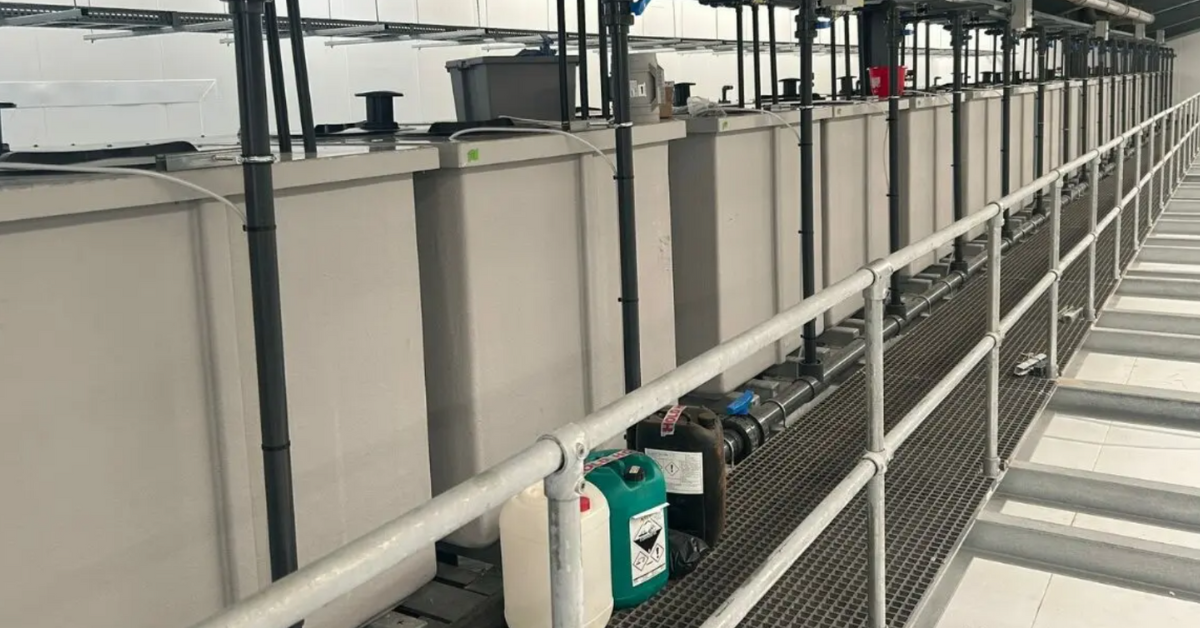
50 one piece tanks

50 custom one piece water tanks

August 29, 2025

Tricel Water designed, manufactured, and installed 50 bespoke WRAS-approved GRP water storage tanks for J. Pao & Co. Ltd, ensuring hygienic, durable, and efficient water storage tailored to food industry needs.
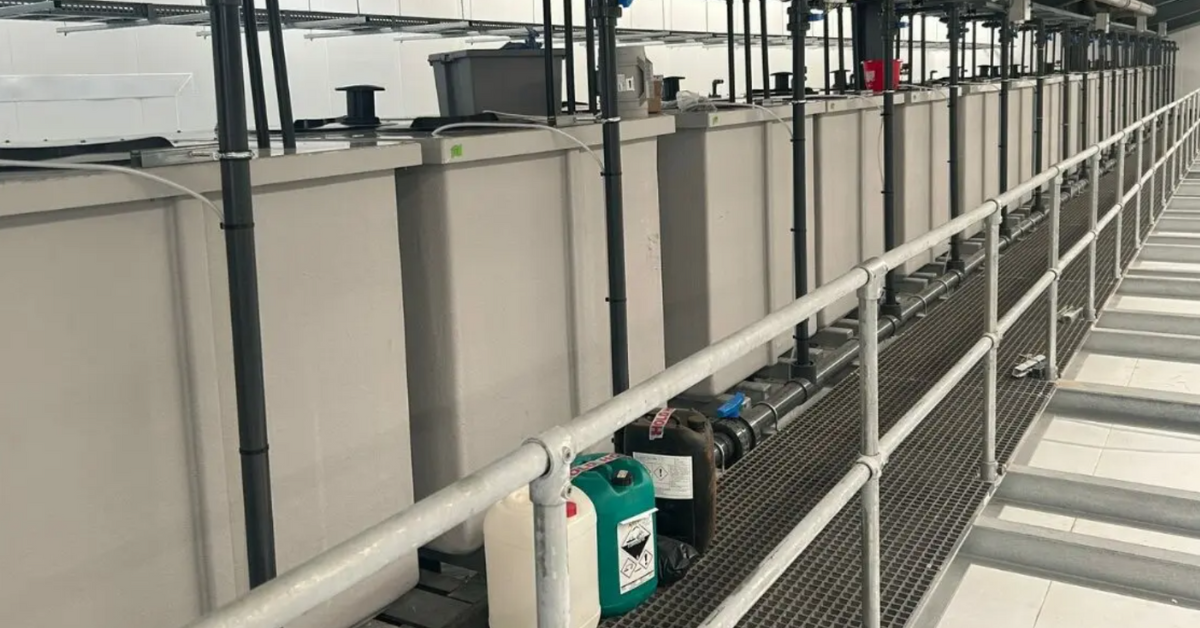
What is a GRP Tank?

July 14, 2025

Tricel's GRP (Glass Reinforced Plastic) water tanks offer robust and versatile solutions for various applications. Manufactured using advanced Sheet Moulding Compound (SMC) technology, these tanks provide exceptional strength, corrosion resistance, and longevity. With capacities ranging from 43 litres to over 4.6 million litres, Tricel's GRP tanks are suitable for domestic, commercial, and industrial needs.